
Latest Episodes
-
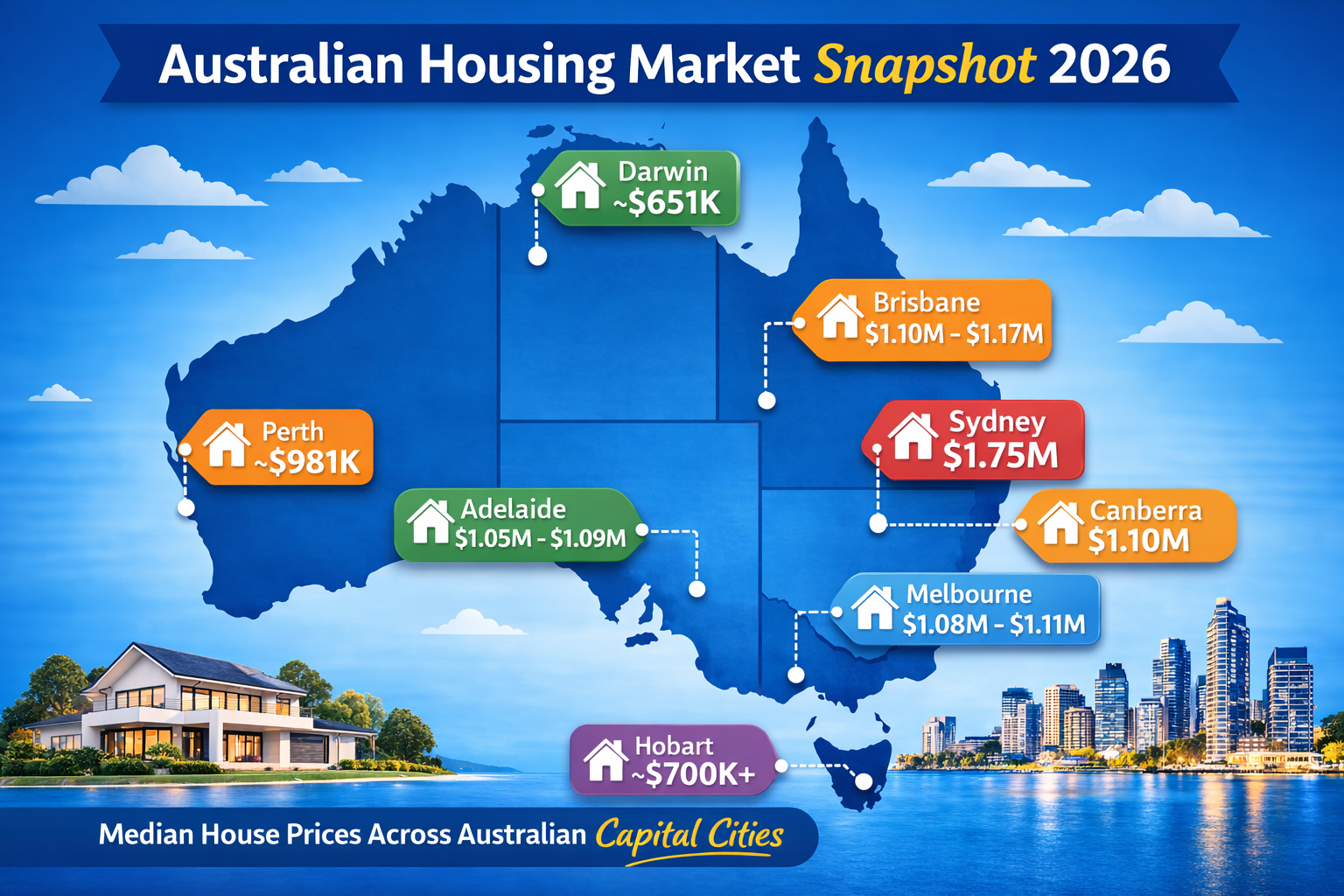
The Australian housing market has become a “two-speed” system, with property prices differing significantly between locations. Factors such as population growth, zoning laws, and construction challenges contribute to this divergence. While some regions continue to see price increases, others are stabilizing, complicating decisions for buyers and homeowners amidst ongoing supply shortages.
-

Australia’s biggest bank, Commonwealth Bank of Australia, recently reported itself over issues relating to fraudulent or non-compliant mortgage activity. That headline alone is enough to make people nervous. Before panic sets in, let’s unpack what this actually means. This understanding matters for anyone buying or selling property in 2026. What Actually Happened? CBA identified weaknesses…
-

The REIQ Awards for Excellence showcased rising talent and marked a leadership transition in Queensland’s real estate. Notable reforms, including a new seller disclosure regime starting in August 2025, emphasize transparency and compliance for sellers and agents. The event highlighted innovation and commitment to ethical standards in the evolving housing market.
-

In Australia, a growing “price gap” between sellers’ expectations and buyers’ offers is causing confusion. Rising interest rates and living costs have cooled buyer confidence, while many sellers struggle to adjust from past market highs. Local insights and data are key for sellers to price their homes competitively and bridge this gap.
-

Bundaberg is engaged in a heated debate regarding a proposed social and affordable housing development near Baldwin Swamp. While some residents express concerns over environmental impacts and community character, others advocate for increased housing access. The project reflects broader regional challenges, balancing housing demands with environmental conservation. Community participation is encouraged.
-

The Northern Territory is experiencing a surprising property market surge with Darwin’s residential sales up 10% in a quarter, driven by affordability, major projects, and lifestyle appeal. However, challenges like reliance on large projects and higher living costs remain. This trend prompts reflections on regional shifts in the Australian real estate landscape.
-
The ACTU plans to reform housing investment by limiting negative gearing and capital gains tax concessions to one property per individual. This five-year strategy aims to improve housing affordability, generate government revenue, and reduce investor competition. The proposal has sparked a debate over potential effects on investors, first-home buyers, and rental markets.
-

Brisbane’s property market has seen a 50% increase in house prices over the last five years due to migration and investment. However, forecasts indicate growth may slow by late 2025 due to affordability limits, increased supply, and economic conditions. Sellers and buyers should adapt strategies to navigate this evolving market.
-

From August 22–24, Victoria will host a high-energy sale called the “Land Grab,” offering discounts of up to $48,000 on titled land in growing areas around Melbourne, Geelong, and Ballarat. While it’s a chance for buyers to secure lower-priced land, careful consideration is necessary to avoid pitfalls such as rising costs and location research, ensuring…
-

The Queensland property market is transitioning towards wellness real estate, emphasizing physical and mental wellbeing. High-net-worth buyers prioritize features like yoga studios and natural designs. Investors see value in this shift as lifestyle properties offer resilience against economic downturns. However, rising demand could make affordable housing more competitive for everyday buyers.
Meet
Our Hosts

John Hellaby AKA JH
JH is a founder, proptech CEO and former real estate agent with a driving belief in transparency and a love of shenanigans. 14 Years in Real Estate has him on a mission to demystify the industry, champion transparency and help homeowners and real estate agents build better relationships.

Siarn Rosekrans
Many podcast series provide an associated website with links and show notes, guest biographies, transcripts, additional resources, commentary, and even a community forum dedicated to discussing the show’s content.